
The task of learning to read music can feel daunting, sometimes even deterring people from picking up an instrument altogether.
Seeing the amount of dots and symbols can feel like attempting to read hieroglyphics or an alien language. Many who are just trying to get the grips of an instrument of choice from their initial spark of interest/inspiration view notation as a hindrance rather than a help, worrying that the rules of music theory will stifle their creativity.
There are many famous examples of artists having successful careers without learning to read or write music, such as; The Beatles, Stevie Wonder, Michael Jackson, Jimi Hendrix, Dave Grohl, Noel Gallagher and even Hans Zimmer!
For these musicians, learning notation may have felt like an unnecessary obstacle to their natural creative flow. They write by feel, capture what they hear in their heads by way of humming to an interpreter or voice recorder or their already mastered instrumental ability and for performance rely on muscle memory and ear training.
Relying solely on this approach means every idea must be figured out manually and further explained to partner musicians.
Learning and communicating entirely by ear still takes considerable time and effort.
If your sole goal is to create purely from intuition, that path is completely valid. But if you want to become a versatile, fully employable musician equipped to learn new material quickly, learning to read and write music is an invaluable investment.
While young children spend years mastering written language, an adult mind can grasp the fundamentals of music notation in just a few lessons.
The very reason you are reading this article is the fact that you are seeking to understand a method to read/write music and can see the benefit and not already on your own independent path of creation.
Key Benefits of Reading Music:
- Memory Retention: Easily write down a groove, fill, or idea to revisit later.
- Professional Versatility: Accurately play charts or arrangements provided by a bandleader or director.
- Accelerated Learning: Clearly understand exercises, assignments, and practice guides from a teacher.
- Independence: Learn new material from books and sheet music at your own pace without needing video tutorials or audio demos.
You don’t need to be a master sight-reader to reap the rewards. I myself was intimidated by super fast readers who can just have a piece put in front of them and be able to play it. That is just the same wow factor as watching a top class master drummer play a mind blowing fill. You know it’s going to take time to learn but you also know that a basic rock beat is going to be fairly swift to pick up.
Basic literacy gives you immediate access to essential details on the page:
The music for drums conveys a number of things including :-
- Which specific instrument or surface to hit (e.g., specific drums or cymbals)
- The tempo of the piece
- Note durations and full musical phrases
Let’s start with the last of these ie the musical notation because once you have got to grips with this, the others will be easier to understand.
To demonstrate an idea, someone could send you an audio snippet, demonstrate it visually, or explain it verbally. But all of those methods require extra technology or another person’s presence. Written notation gives you the independence to learn on your own time.
Let’s briefly look at an alternative to music notation for drummers, for those adverse to traditional dots as a simple grid method to see what you think:
Using a grid notation system (commonly referred to as a step sequencer layout or drum tab grid) is a classic bridge for beginners. It visually demystifies time subdivision before students get overwhelmed by traditional notation.
- Pros: It immediately maps out subdividing beats (1 & 2 & or 1 e & a etc) in a clean, horizontal timeline that non-musicians can instantly read.
- Cons: It quickly becomes bloated and inefficient once you try to display multi-bar phrases, dynamic accents, or complex variations.

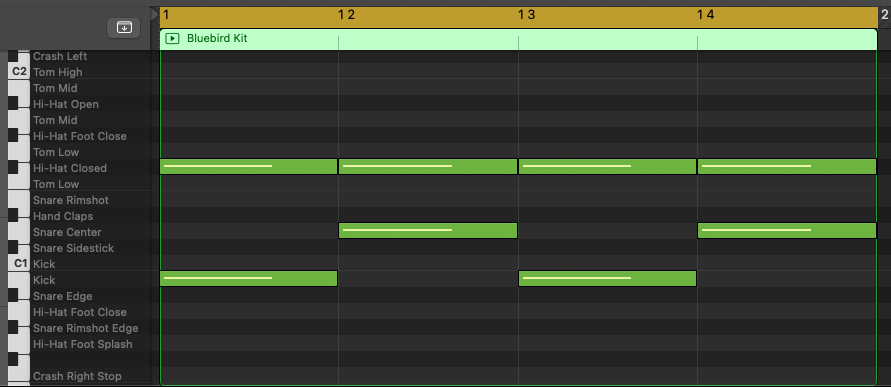
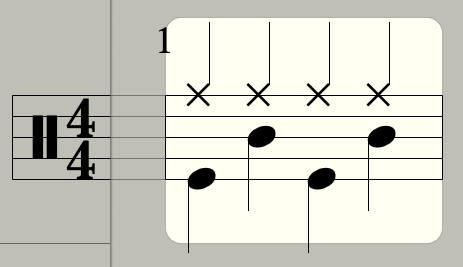

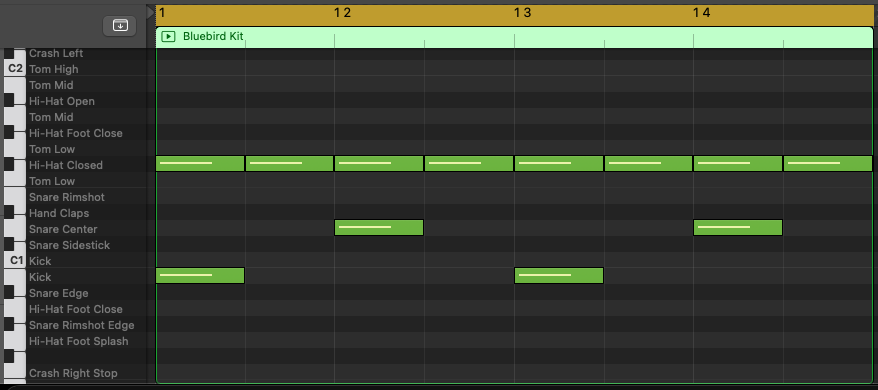
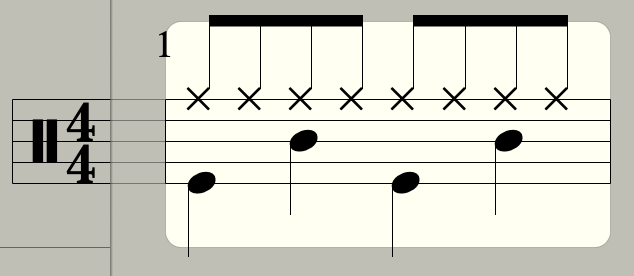

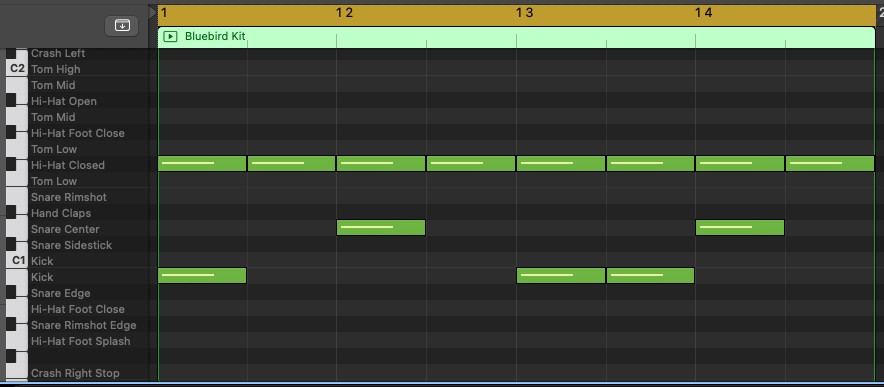
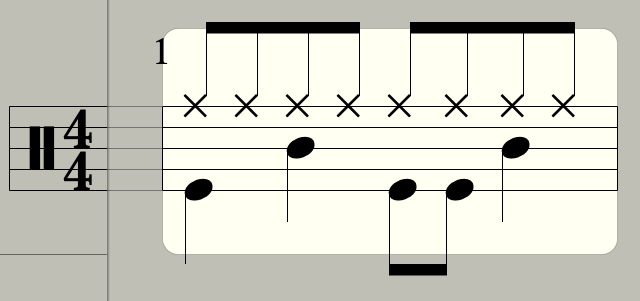

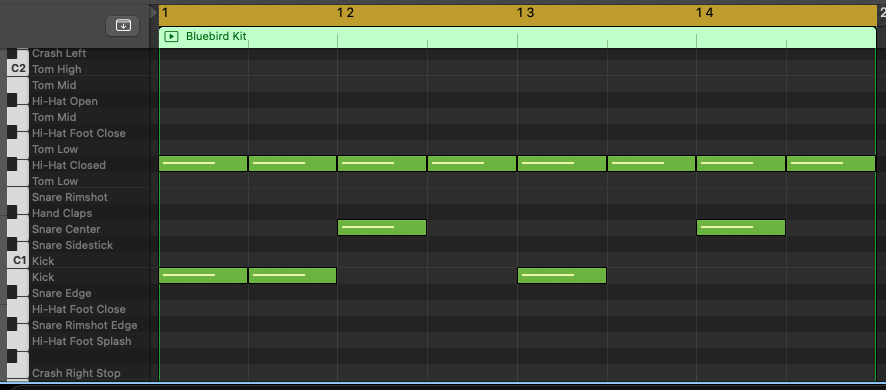
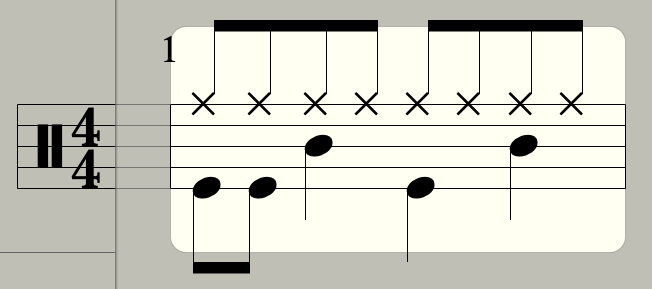

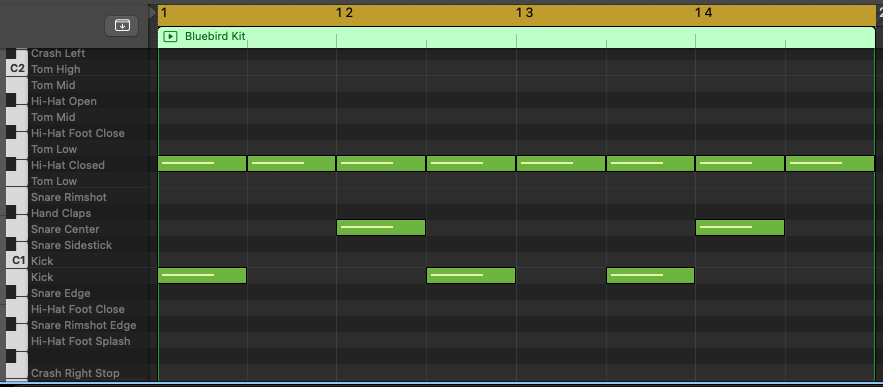
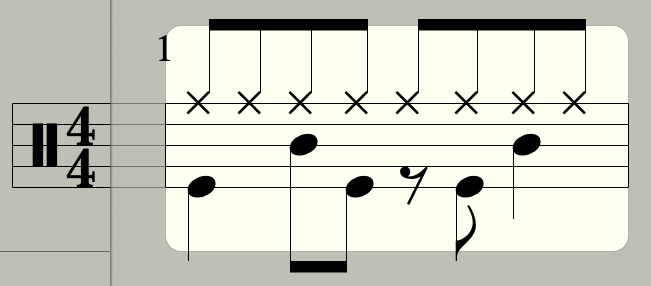

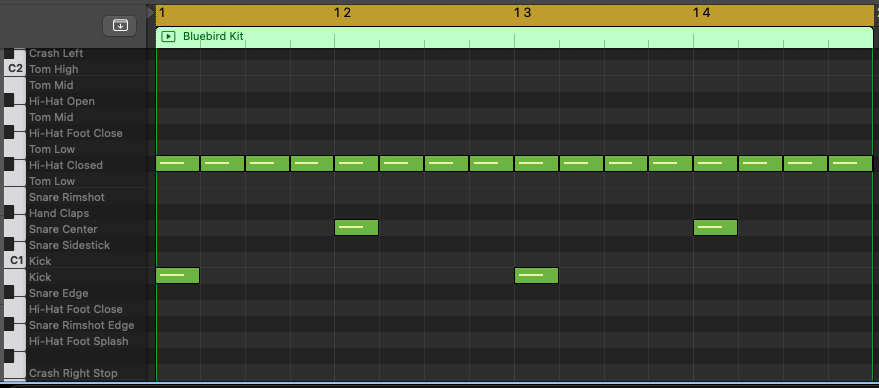
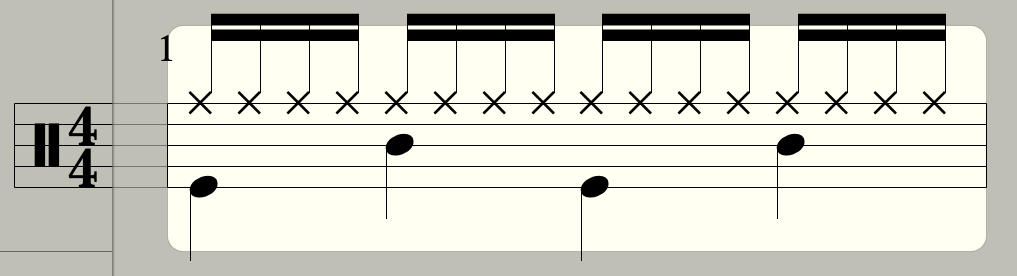

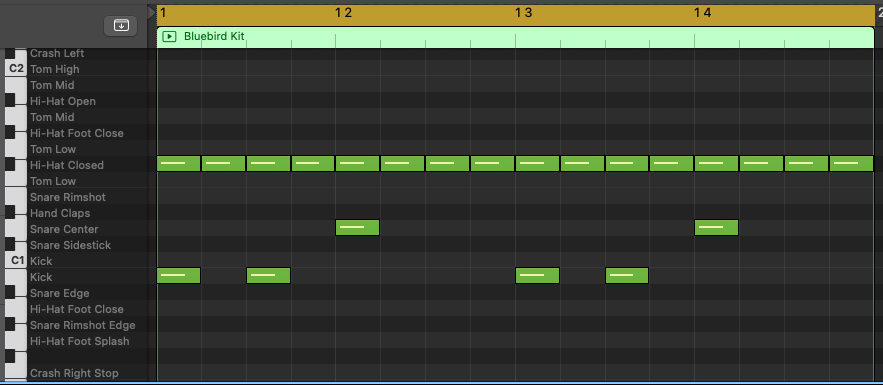
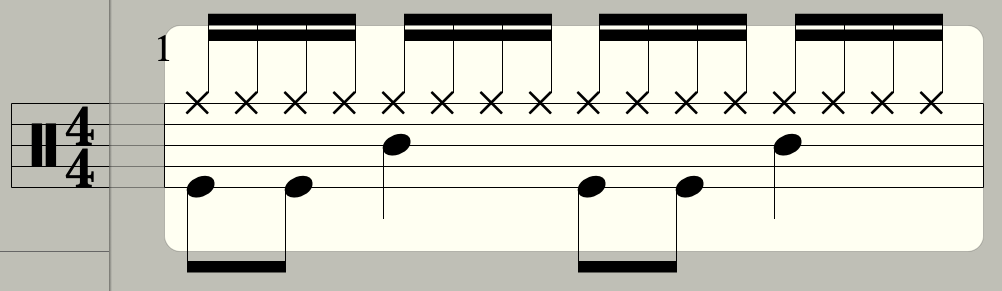

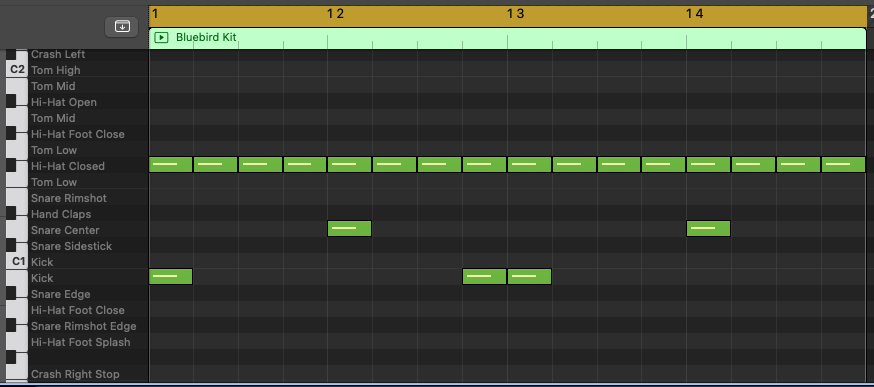
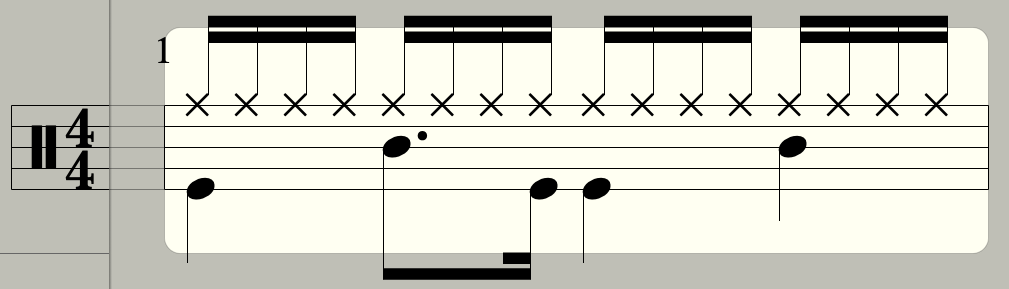

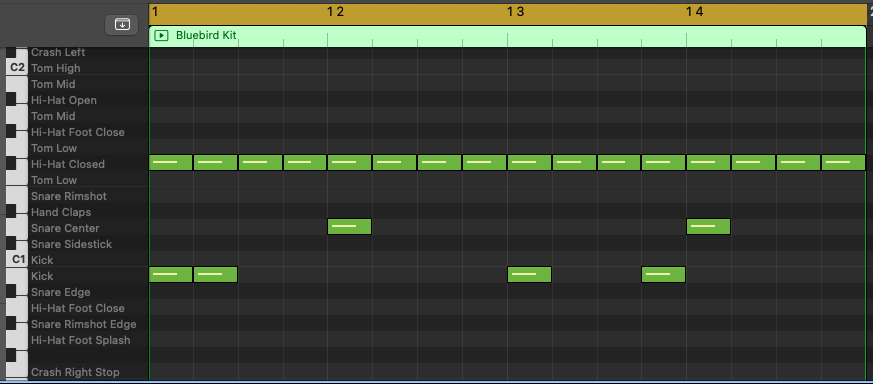
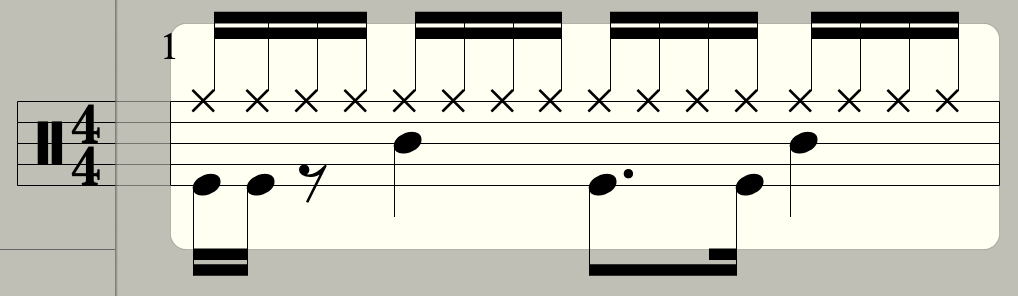
Hopefully you can see how inefficient grid notation becomes as patterns grow complex, how it relates to standard notation and see how it is the superior long-term system.
Leave a Reply